L a - b e a u t é - s a u v e r a - l e - m o n d e ~ D o s t o ï e v s k i

L a - b e a u t é - s a u v e r a - l e - m o n d e  ~  D o s t o ï e v s k i


Showing posts with label Jan Lievens. Show all posts

Sunday, September 25, 2022

The power in turning away - portraits of the female profile

 
Eugénie Ritter, by Benjamin-Constant, 1903. 
Une femme de chez nous au cheveux crépus (A local woman with curly hair), by Takou D’Assié, circa 2020.
Portrait of a Lady in Red, Florentine School, circa 1460-70.
Portrait of Woman Turned, by Coolidge Ozaki, circa 1942-45.
The Orchid, by Fujishima Takeji, 1926.
Woman or goddess, nicknamed “La Parisienne”, from the western wing of the palace at Knossos, circa 1350 BCE.
Portrait of a Woman in Profile, Turned to the Left, by William Sommer, 1890.
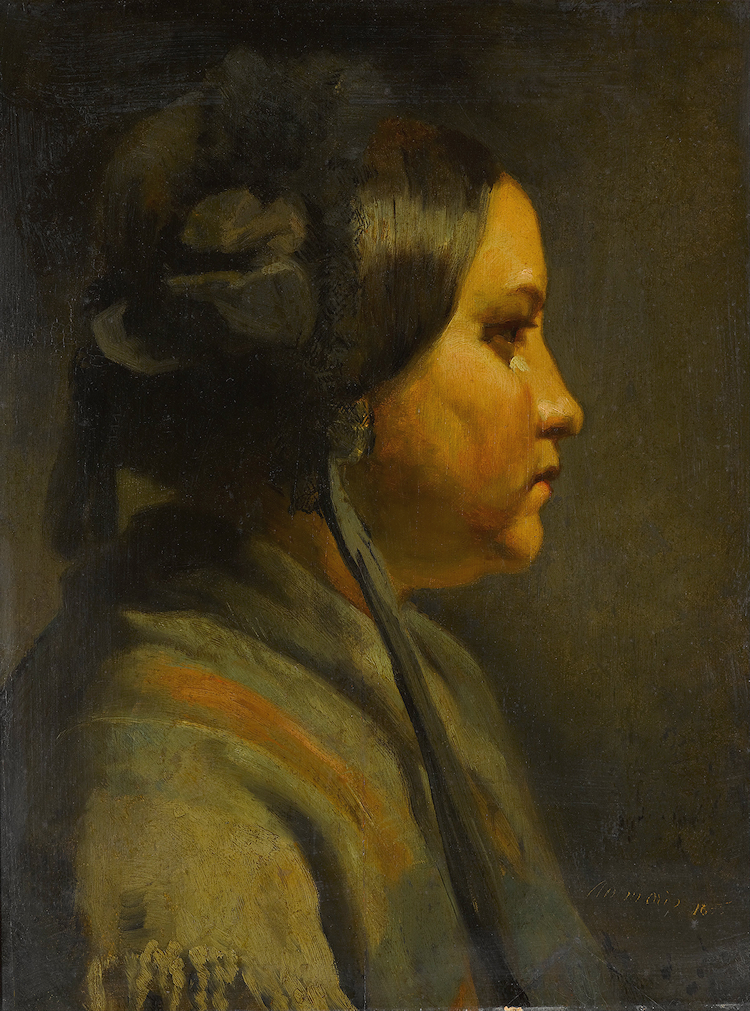
Study of the Head of a Young Woman in Profile, by Matthijs Maris, 1855.
Medallion, double portrait of the artist and her lover Nesta Obermer, also called the "YouWe" painting, by Gluck, 1936.
Profile Portrait of a Lady, American School, circa 1835-40.
Tomb wall depicting Queen Nefertari, consort of Rameses II, circa 1298-1235 BCE.
Portrait Study in Profile, by Marion L. Pooke, circa 1911.
Head in Profile, by Emil Nolde, 1919.
Profilo di donna, by Charles Lefèbvre, nineteenth century.
Profile Portrait of a Woman to the Left, unknown pastellist, circa 1800-20.
Supposed posthumous portrait of Cleopatra VII of Egypt, from Herculaneum, circa first century AD.
Profile of an Italian Woman by Mary Cassatt, 1873.
Portrait of a Young Woman, by Sofonisba Anguissola, circa 1580s.
A Young Woman, by Friedrich von Amerling, 1834.
Noia Tangerina (Girl from Tangiers), by Josep Tapiró i Baró, circa 1900-10.
Portrait of a Young Girl, by Philip Wilson Steer, 1932.
Classical Head in Profile, by William Hoare, circa second half of the eighteenth century.
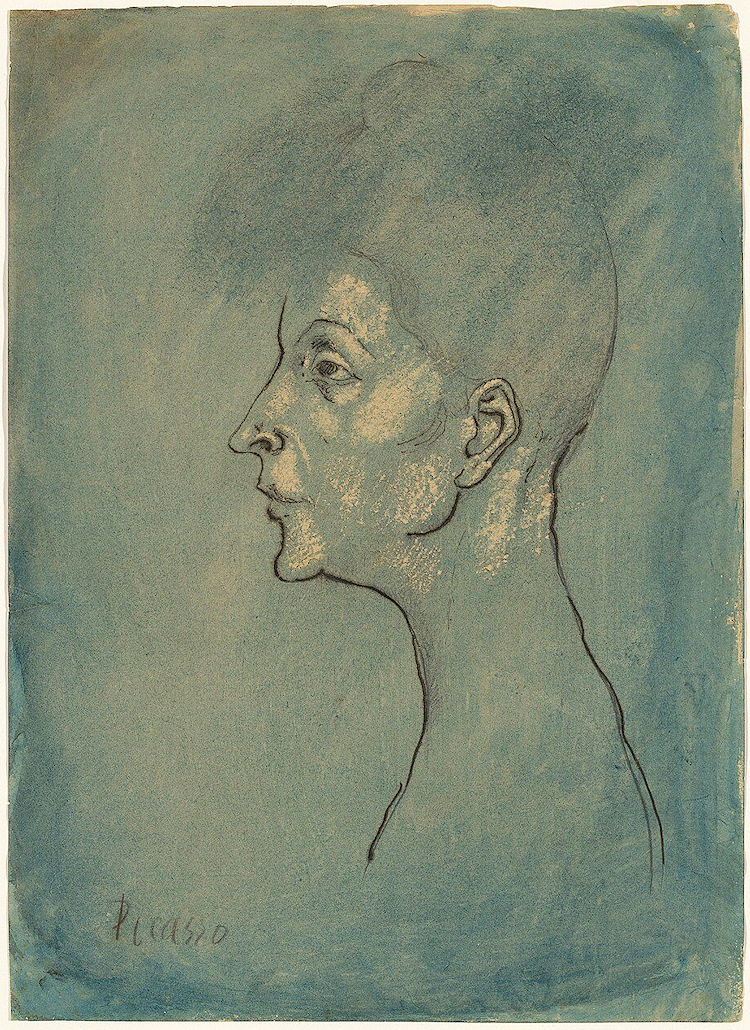
Profil de femme au chignon (Profile of a woman with a chignon), by Pablo Picasso, 1904.
Nanna, Profile to Right, by Anselm Feuerbach, 1864.
Profile of a Blonde Woman on a Blue Background, by Francis Picabia, circa 1941-1942.
Portrait of Lady Vivien, by Konstantin Makovsky, 1900.
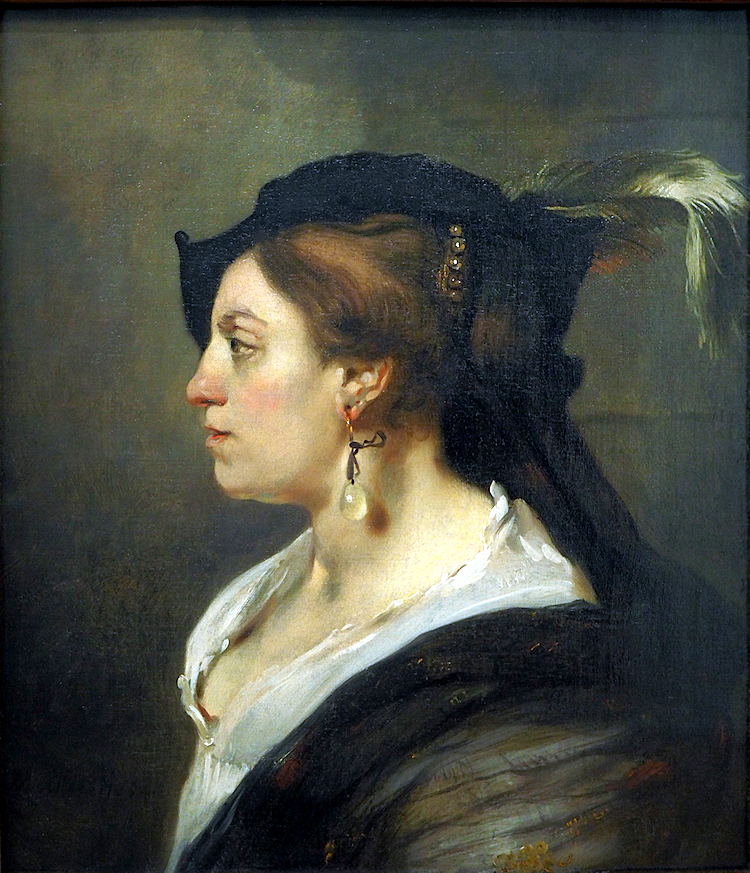
Portrait of a Lady in Profile, by Carel Fabritius, 1654.
Head of a Woman Seen in Profile, by Bartolomeo Passarotti, circa second half of the sixteenth century.
Profile of a Woman, by Fujishima Takeji, 1926-27.
Profile of a Young Woman, by Giovanni Boldini, circa 1880s (?).
Portrait of a Young Woman in Profile with a Mask in her Right Hand, by Giambattista Piazzetta, circa 1720-30.
Porträtt av Ung Kvinna i profil (Portrait of young woman in profile), by Emilie Mundt, circa 1880s.
Profile Portrait of a Young Lady, by Piero del Pollaiuolo, circa 1465.
Young Girl in Profile, by Alexei Alexeevich Harlamoff, circa 1880s.
Blackfoot Woman, by Joseph Henry Sharp, 1905.
Profile of a woman, India, Delhi, circa first half of the nineteenth century.
Rembrandt’s Mother, by Jan Lievens, circa 1629.
Bathsheba, by Philip Wilson Steer, circa 1919-21.
Profile of a Nubian Girl, by Franz Xavier Kosler, before 1905.


Friday, August 3, 2018

Soft gold and rough flame - two paintings


Boy in a Cape and Turban (Portrait of Prince Rupert of the Palatinate), by Jan Lievens, circa 1631.
By Candlelight, by Martin Ferdinand Quadal, circa 1780s-90s.

***

Jan Lievens (24 October 1607, Leiden – 4 June 1674, Amsterdam), Dutch painter. He is most often associated with Rembrandt; they shared a studio from about 1626 - they were nineteen and twenty - to 1631 and worked in a similar style, so much so that it's caused difficulties in the attribution of their works from this period. He had started his training at a very young age and was working as an independent artist by the age of twelve. His extreme precocity made him something of a celebrity and, while still a teenager, he won many important commissions from royalty, mayors, and city burghers. When he and Rembrandt left their shared studio, Lievens went to work in England. He later worked in Antwerp, and as a court painter in The Hague and Berlin. He married twice, and died not long after the Rampjaar - the political and economic crisis of 1672; among others affected, many artists were ruined - his family having to use any inheritance to pay off his debts.

Martin Ferdinand Quadal (28 October 1736, Niemtschitz – 10 January 1811, St. Petersburg), Moravian-Austrian painter and engraver. He painted animal pieces, as well as military scenes, genre subjects, and portraits. He studied at the Academy of Fine Arts in Vienna and lived in that city for several years. Early on, he traveled to London, then visited France and Italy, lived and worked in Vienna again, and then in St. Petersburg from 1797 to 1804. After a second visit to London, he returned to St. Petersburg, where he died at the age of seventy-four.