
 |
| Eugénie Ritter, by Benjamin-Constant, 1903. |
 |
| Une femme de chez nous au cheveux crépus (A local woman with curly hair), by Takou D’Assié, circa 2020. |
 |
| Portrait of a Lady in Red, Florentine School, circa 1460-70. |
 |
| Portrait of Woman Turned, by Coolidge Ozaki, circa 1942-45. |
.png) |
| The Orchid, by Fujishima Takeji, 1926. |
%20from%20the%20Camp-Stool%20fresco,%20c.1350%20B.C.E.,%20western%20wing%20of%20the%20palace%20at%20Knossos,%20buon%20fresco,.png) |
| Woman or goddess, nicknamed “La Parisienne”, from the western wing of the palace at Knossos, circa 1350 BCE. |
 |
| Portrait of a Woman in Profile, Turned to the Left, by William Sommer, 1890. |
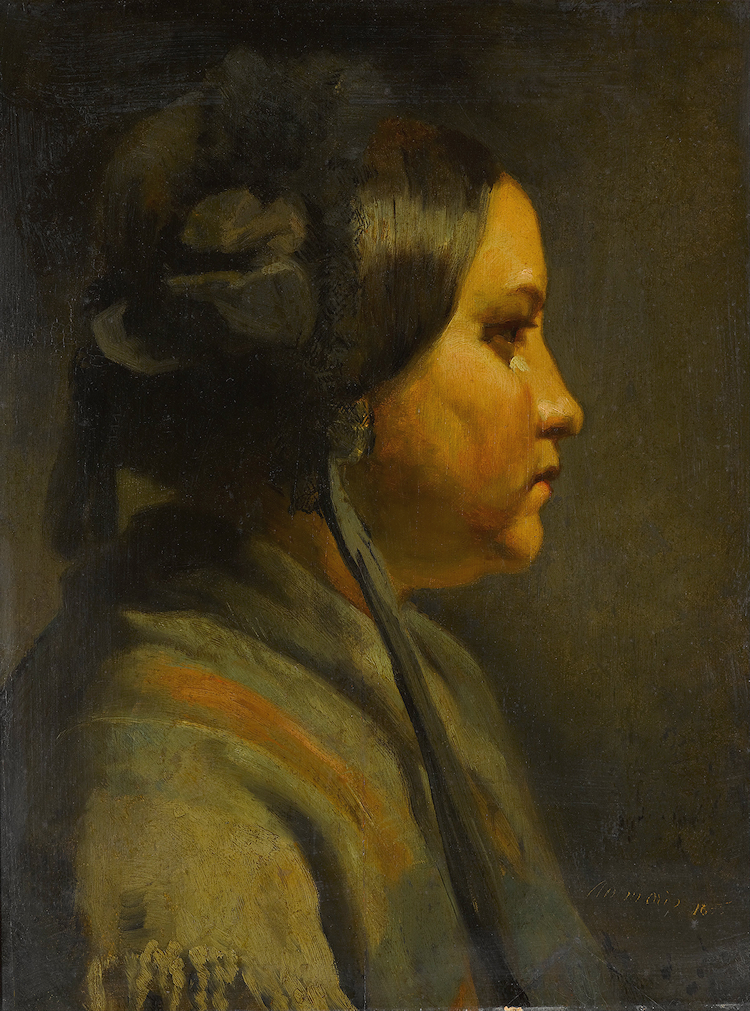 |
| Study of the Head of a Young Woman in Profile, by Matthijs Maris, 1855. |
,%20the%20YouWe%20painting.png) |
| Medallion, double portrait of the artist and her lover Nesta Obermer, also called the "YouWe" painting, by Gluck, 1936. |
 |
| Profile Portrait of a Lady, American School, circa 1835-40. |
 |
| Tomb wall depicting Queen Nefertari, consort of Rameses II, circa 1298-1235 BCE. |
 |
| Portrait Study in Profile, by Marion L. Pooke, circa 1911. |
 |
| Head in Profile, by Emil Nolde, 1919. |
 |
| Profilo di donna, by Charles Lefèbvre, nineteenth century. |
 |
| Profile Portrait of a Woman to the Left, unknown pastellist, circa 1800-20. |
 |
| Supposed posthumous portrait of Cleopatra VII of Egypt, from Herculaneum, circa first century AD. |
 |
| Profile of an Italian Woman by Mary Cassatt, 1873. |
 |
| Portrait of a Young Woman, by Sofonisba Anguissola, circa 1580s. |
 |
| A Young Woman, by Friedrich von Amerling, 1834. |
 |
| Noia Tangerina (Girl from Tangiers), by Josep Tapiró i Baró, circa 1900-10. |
 |
| Portrait of a Young Girl, by Philip Wilson Steer, 1932. |
 |
| Classical Head in Profile, by William Hoare, circa second half of the eighteenth century. |
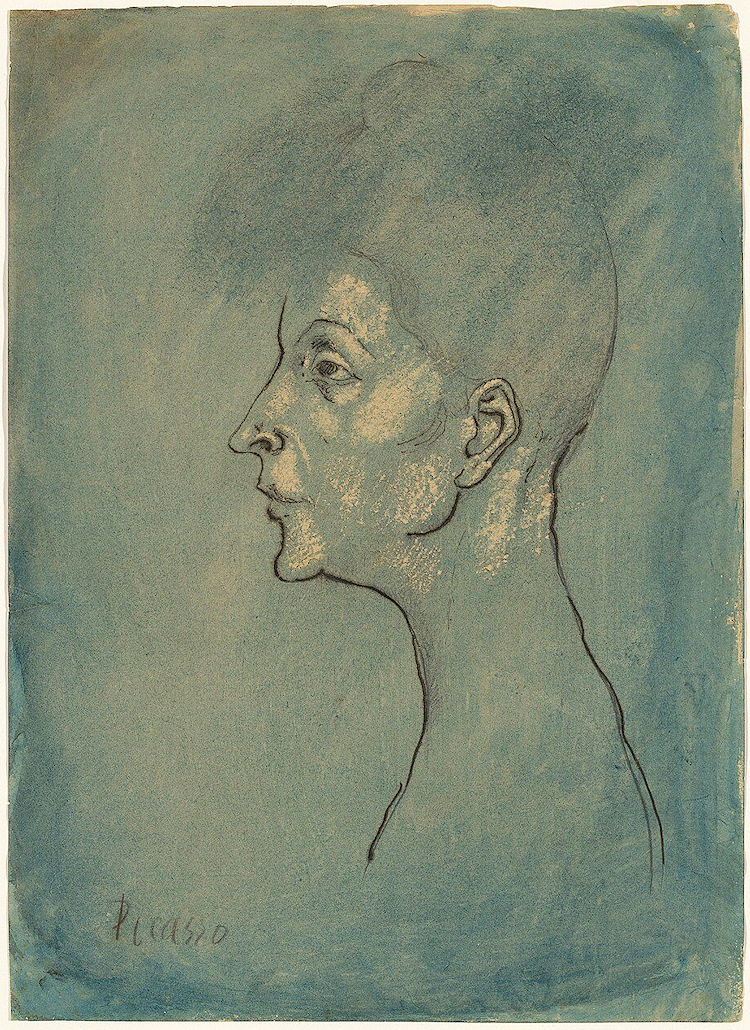 |
| Profil de femme au chignon (Profile of a woman with a chignon), by Pablo Picasso, 1904. |
 |
| Nanna, Profile to Right, by Anselm Feuerbach, 1864. |
 |
| Profile of a Blonde Woman on a Blue Background, by Francis Picabia, circa 1941-1942. |
 |
| Portrait of Lady Vivien, by Konstantin Makovsky, 1900. |
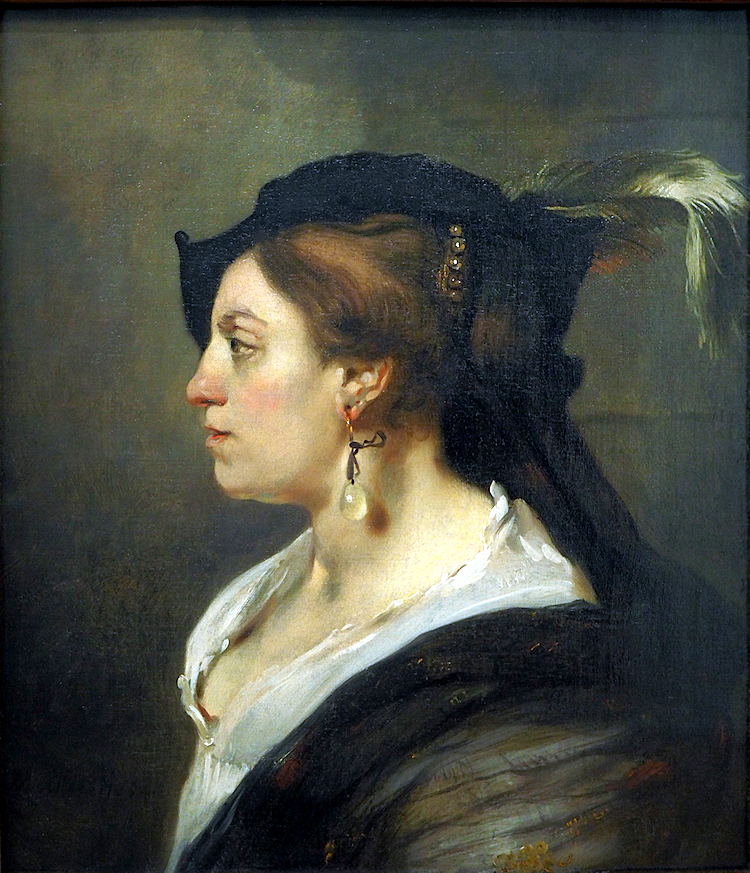 |
| Portrait of a Lady in Profile, by Carel Fabritius, 1654. |
 |
| Head of a Woman Seen in Profile, by Bartolomeo Passarotti, circa second half of the sixteenth century. |
 |
| Profile of a Woman, by Fujishima Takeji, 1926-27. |
 |
| Profile of a Young Woman, by Giovanni Boldini, circa 1880s (?). |
 |
| Portrait of a Young Woman in Profile with a Mask in her Right Hand, by Giambattista Piazzetta, circa 1720-30. |
%201842%20-%201922Portr%C3%A4tt%20av%20Ung%20Kvinna%20i%20profil%20(Portrait%20of%20Young%20Woman%20in%20profile.png) |
| Porträtt av Ung Kvinna i profil (Portrait of young woman in profile), by Emilie Mundt, circa 1880s. |
 |
| Profile Portrait of a Young Lady, by Piero del Pollaiuolo, circa 1465. |
 |
| Young Girl in Profile, by Alexei Alexeevich Harlamoff, circa 1880s. |
 |
| Blackfoot Woman, by Joseph Henry Sharp, 1905. |
 |
| Profile of a woman, India, Delhi, circa first half of the nineteenth century. |
 |
| Rembrandt’s Mother, by Jan Lievens, circa 1629. |
 |
| Bathsheba, by Philip Wilson Steer, circa 1919-21. |
%20Profile%20of%20a%20Nubian%20Girl,%20before%201905.png) |
| Profile of a Nubian Girl, by Franz Xavier Kosler, before 1905. |


